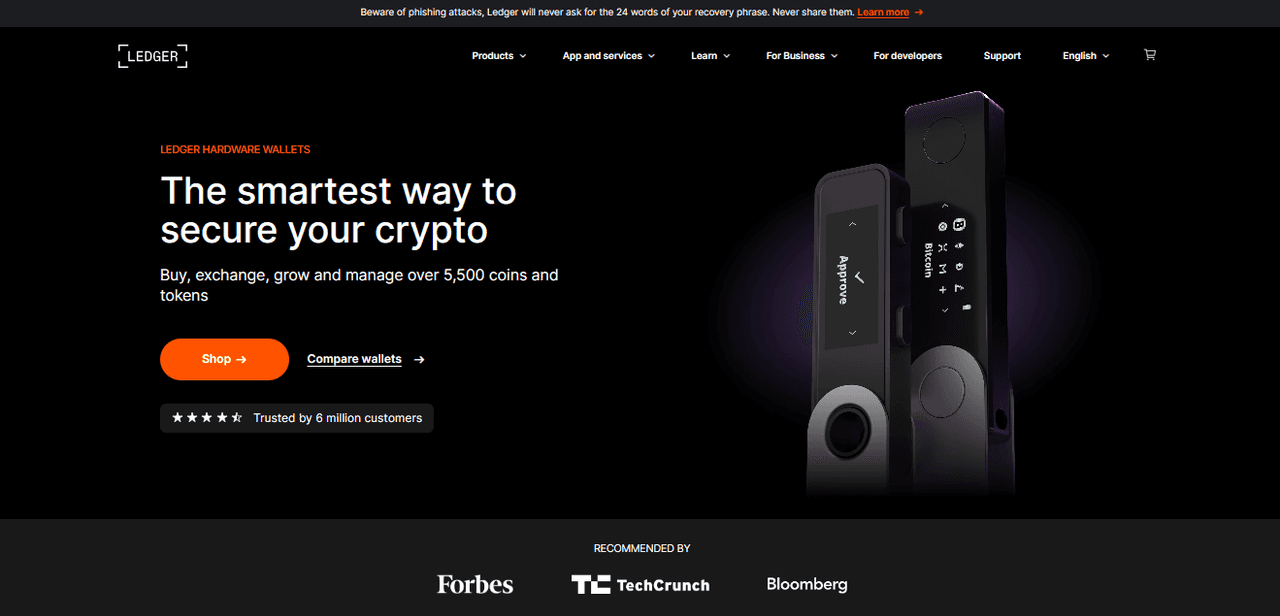
Ledger Live: The Complete Guide to Secure Crypto Management
Ledger Live is the official application developed by Ledger, designed to help users manage their cryptocurrency holdings securely. When paired with a Ledger hardware wallet, Ledger Live allows users to view balances, send and receive digital assets, manage multiple accounts, stake supported cryptocurrencies, and track portfolio performance. Unlike centralized exchanges or software wallets, Ledger Live emphasizes self-custody, ensuring users retain full control over their private keys.
This guide explores everything about Ledger Live, including its setup, features, supported assets, security measures, and best practices for safe usage.
What is Ledger Live?
Ledger Live is a desktop and mobile software interface that works exclusively with Ledger hardware wallets such as Ledger Nano S Plus, Ledger Nano X, and Ledger Stax. The application does not store private keys, nor does it have access to user funds. Instead, it communicates with the hardware wallet, providing a secure way to manage cryptocurrency and interact with blockchain networks.
All sensitive operations, such as signing transactions, occur directly on the device, meaning your private keys never leave the hardware wallet. This approach protects users from malware, phishing, or other cyberattacks.
How Ledger Live Works
Ledger Live functions as a bridge between the user and multiple blockchains. It reads account balances, tracks transactions, and provides a portfolio overview while the Ledger device handles signing and authorization.
Transaction Process:
User initiates a transaction in Ledger Live.
The transaction details are sent to the hardware wallet.
The device displays the transaction, allowing the user to verify and approve it physically.
After approval, Ledger Live broadcasts the signed transaction to the blockchain.
This workflow ensures that even if the connected computer is compromised, the funds remain secure.
Supported Platforms
Ledger Live is available across multiple operating systems for desktop and mobile:
Desktop: Windows, macOS, Linux
Mobile: iOS, Android
Desktop versions are ideal for comprehensive management, firmware updates, and app installations, while mobile versions provide convenience for monitoring accounts and performing transactions on the go.
Setting Up Ledger Live
Getting started with Ledger Live is simple:
Download the application from the official Ledger website.
Install Ledger Live on your computer or mobile device.
Connect your Ledger device via USB or Bluetooth.
Choose whether to set up a new device or restore from an existing recovery phrase.
Add cryptocurrency accounts within Ledger Live.
Optionally, set an app password to restrict access to the software interface.
During setup, Ledger Live only accesses public wallet information. All private keys remain securely on the device.
Managing Accounts in Ledger Live
Ledger Live organizes digital assets into accounts. Each account corresponds to a blockchain address generated by the Ledger device.
Users can:
Add multiple accounts for a single cryptocurrency.
Track balances and transaction history per account.
Rename accounts for better organization.
Remove accounts from Ledger Live without affecting the funds themselves.
Sending and Receiving Crypto
Ledger Live simplifies transactions while ensuring security.
Receiving crypto:
Open the account in Ledger Live.
Generate a receiving address.
Verify the address on the hardware device.
Share the address with the sender.
Sending crypto:
Enter the recipient address and amount in Ledger Live.
Verify transaction details on the device screen.
Confirm the transaction physically on the Ledger device.
Ledger Live broadcasts the signed transaction to the blockchain.
All outgoing transactions require physical verification, preventing unauthorized transfers.
Security Features of Ledger Live
Security is central to Ledger Live’s design.
Key measures include:
Hardware wallet isolation: Private keys never leave the device.
On-device transaction verification: Users must confirm all operations physically.
App password protection: Optional password to restrict interface access.
Secure communication protocols: Safe data exchange between device and software.
Regular updates: Firmware and software updates enhance security and functionality.
Even if a computer or mobile device is hacked, assets remain safe if the Ledger device and recovery phrase are protected.
App Password
Ledger Live allows users to set an optional app password to restrict access to the interface.
The password does not control access to funds.
It can be changed or removed at any time.
Forgetting the password does not result in loss of crypto.
Reinstalling Ledger Live resets the app password.
Recovery Phrase
The recovery phrase, a 24-word backup generated during Ledger device setup, is essential for recovering assets.
Never enter the recovery phrase into Ledger Live or any online platform.
Store it offline in a secure location.
Use it only to restore your Ledger device if lost or damaged.
Anyone with access to the recovery phrase can access all funds, so its security is critical.
Supported Cryptocurrencies
Ledger Live supports hundreds of cryptocurrencies and tokens across multiple blockchain networks, including:
Bitcoin, Ethereum, Litecoin, XRP, Cardano
ERC-20 and BEP-20 tokens
Proof-of-stake coins eligible for staking
Support is continuously updated with new cryptocurrencies and token standards.
Installing and Managing Apps
Ledger Live manages blockchain apps on your Ledger device, which allow interaction with specific cryptocurrencies.
Features include:
Installing apps needed for supported coins.
Removing apps to free space.
Updating apps to maintain compatibility.
Reinstalling apps without losing funds.
Apps themselves do not store funds; they enable blockchain interactions.
Staking and Rewards
Ledger Live allows staking for supported cryptocurrencies, enabling users to earn rewards while retaining full control over private keys.
Delegate proof-of-stake assets through supported networks.
Track staking rewards over time.
Monitor performance directly in Ledger Live.
Portfolio Tracking
Ledger Live provides tools to monitor your crypto portfolio:
Total portfolio value
Asset allocation charts
Historical performance analysis
Account-specific balance tracking
This eliminates the need for third-party tracking apps.
Privacy in Ledger Live
Ledger Live does not require personal information or account creation.
No email or identity verification required
Private keys remain offline
Minimal data sharing with Ledger systems
Full control of assets and privacy
Firmware and Software Updates
Ledger Live is regularly updated to improve functionality, support new coins, and enhance security.
Software updates improve the interface and usability.
Firmware updates enhance device security and compatibility with Ledger Live.
Users should keep both software and devices updated for maximum safety.
Troubleshooting Common Issues
Users may encounter occasional problems:
Device not recognized
USB/Bluetooth connectivity issues
Sync delays
App installation errors
Most issues can be solved by reconnecting the device, restarting Ledger Live, or updating the software and firmware.
Using Ledger Live on Multiple Devices
Ledger Live can be installed on multiple computers or phones, with each installation independent.
Same Ledger device can be used across devices.
App passwords can differ per device.
All transactions still require device confirmation.
Ledger Live vs Exchanges
Ledger Live differs from exchanges:
Exchanges hold custody of your funds; Ledger Live gives self-custody.
Exchanges require accounts, emails, and KYC; Ledger Live does not.
Ledger Live transactions require physical confirmation on the device, reducing hacking risk.
Ledger Live is best suited for long-term secure storage, portfolio management, and staking, rather than active trading.
Best Practices
Download Ledger Live from official sources only.
Verify transactions on your Ledger device.
Keep recovery phrases offline and secure.
Use a strong app password.
Avoid phishing and suspicious websites.
Update Ledger Live and device firmware regularly.
Never share sensitive information.
Who Should Use Ledger Live
Ledger Live is ideal for:
Long-term crypto holders
Users who value security and privacy
People managing multiple assets
Beginners seeking a guided interface
Experienced users who want advanced features like staking
It provides both convenience and top-level security.
Conclusion
Ledger Live is a comprehensive tool for cryptocurrency management, combining security, usability, and flexibility. Paired with a Ledger hardware wallet, it allows users to safely manage assets, stake cryptocurrencies, track portfolios, and interact with multiple blockchains—all while maintaining complete control over private keys.
By following proper security practices and using Ledger Live responsibly, users can confidently manage their cryptocurrency holdings and enjoy the benefits of self-custody without compromising on convenience or accessibility.